
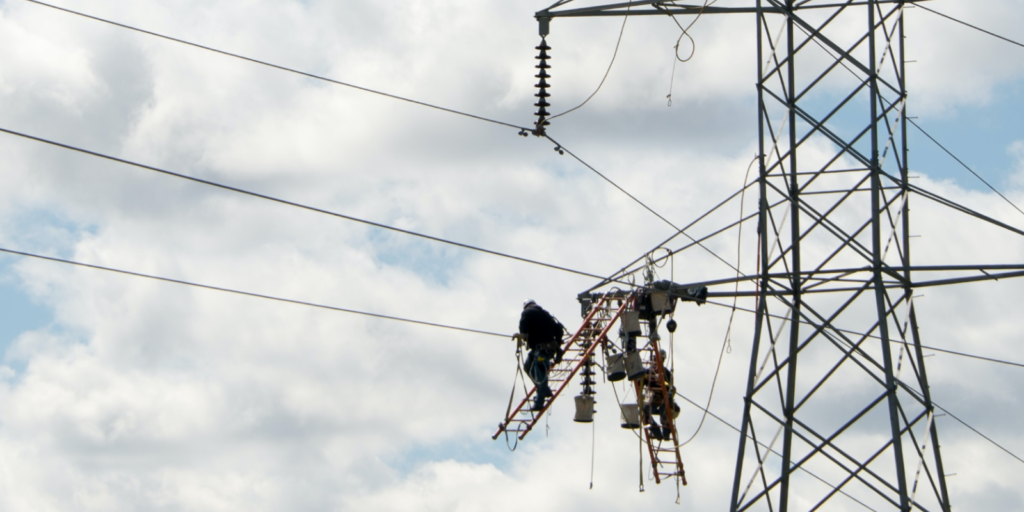
About 6 years ago, I visited a power installation project in Southeast Asia. It was hot, humid, and the team was under pressure to finish before the rainy season. I noticed something immediately—some workers were using high-quality cable crimping tools, while others were struggling with worn-out cutters and poor stripping tools.
Same cables. Same project. Completely different efficiency.
That day reminded me of something I still tell my customers today:
“In power projects, tools don’t just support the work—they define the result.”
So if you’re involved in power grid projects, electrical installation, or cable infrastructure, this article is for you. I’ll walk you through the top cable tools you should be focusing on—not from theory, but from real experience working with contractors, distributors, and importers like you.
Why Cable Tools Matter More Than You Think
Before we talk about specific tools, let’s align on one thing.
In power grid and electrical installation:
- A bad connection = overheating
- Overheating = failure
- Failure = downtime or danger
And the last step before power flows?
👉 Crimping, cutting, stripping, and handling cables
That’s where your tools come in.
1. Cable Crimping Tools (The Heart of Every Connection)
If you ask me what the most important tool is, I won’t hesitate:
👉 Cable Crimping Tools
These tools are responsible for connecting cable lugs securely to conductors.
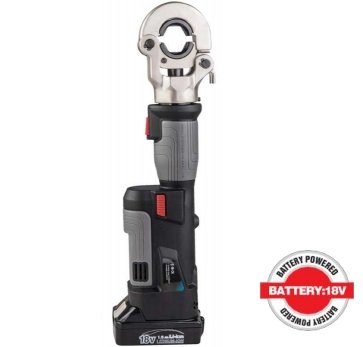
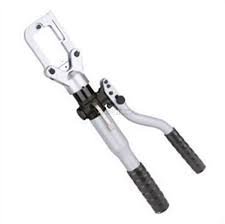
🔋 Battery Crimping Tools
Best for:
- High-efficiency work
- Power grid projects
- Professional contractors
What I’ve seen:
Once teams switch to battery crimping tools, productivity jumps immediately.
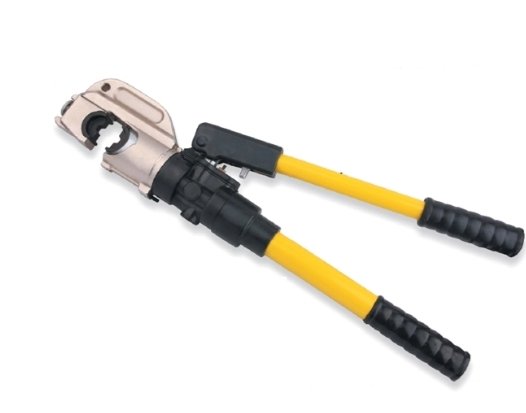
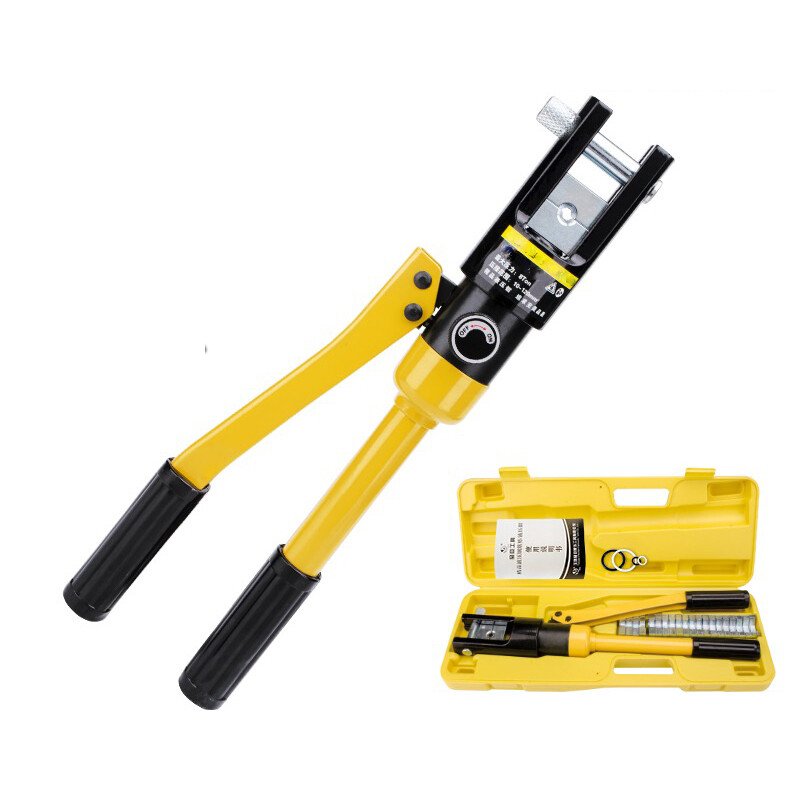
🔧 Hydraulic Crimping Tools
Best for:
- Budget markets
- Backup tools
- Medium-duty work
Still widely used in:
- South America
- Africa
- Southeast Asia
🛠 Manual Crimping Tools
Best for:
- Small cables
- Light-duty work
My Advice
If you’re building a product line or sourcing wholesale:
👉 Always include both battery and hydraulic crimping tools
Because your customers will need both.
2. Cable Cutters (Clean Cuts = Better Connections)
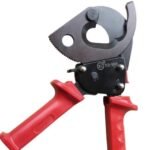
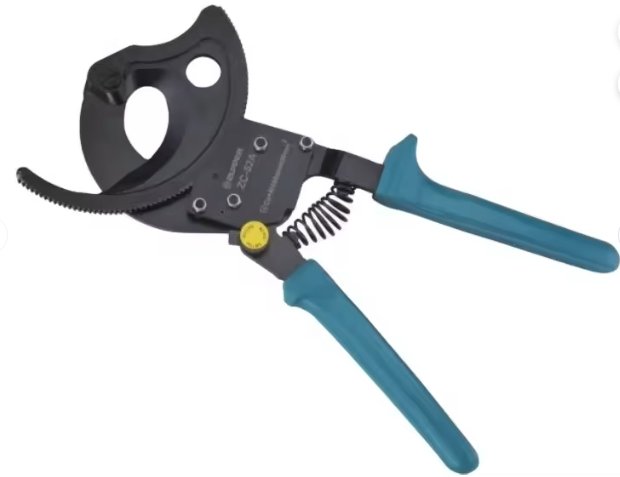
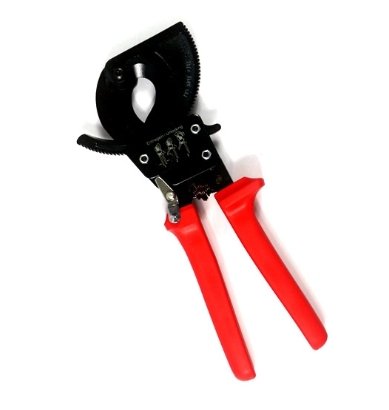
Let me tell you something simple but important:
A bad cut leads to a bad crimp.
I’ve seen this too many times.
Types of Cable Cutters
| Type | Application |
|---|---|
| Manual cable cutters | Small to medium cables |
| Ratchet cable cutters | Large copper/aluminum cables |
| Hydraulic cable cutters | Heavy-duty industrial use |
What Good Buyers Look For
- Clean cutting edge
- No cable deformation
- Long blade life
Real Experience
One of our clients switched to better cable cutters, and their crimping failure rate dropped.
Not because of the crimper.
Because of the cut.
3. Wire Strippers (Small Tool, Big Impact)
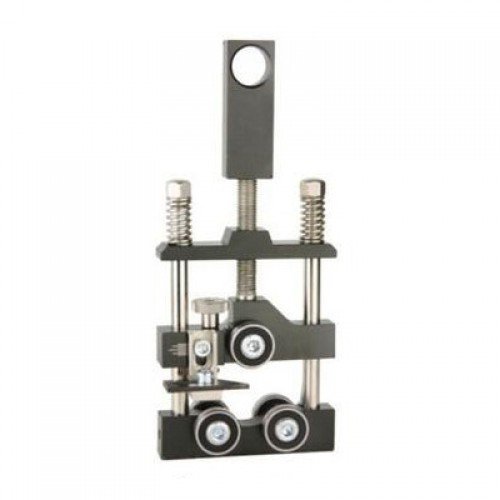
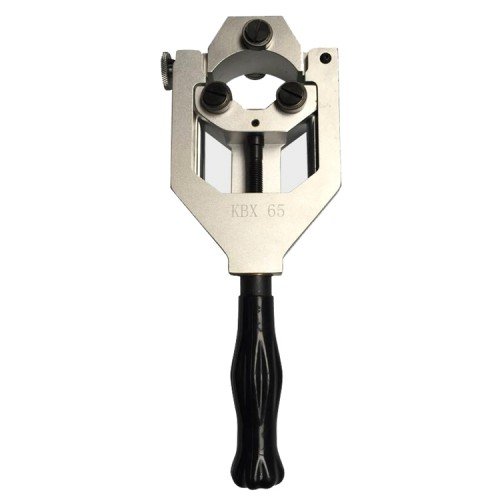
This is the tool people underestimate the most.
But I always say:
“Stripping is where precision begins.”
Why It Matters
- Too deep → damage conductor
- Too shallow → incomplete connection
Types
- Manual wire strippers
- Automatic wire strippers
- Multi-function stripping tools
My Advice
Don’t go cheap here.
A poor wire stripper can damage cables—and that’s expensive.
4. Cable Clamp Tools & Wire Grippers (The Hidden Heroes)
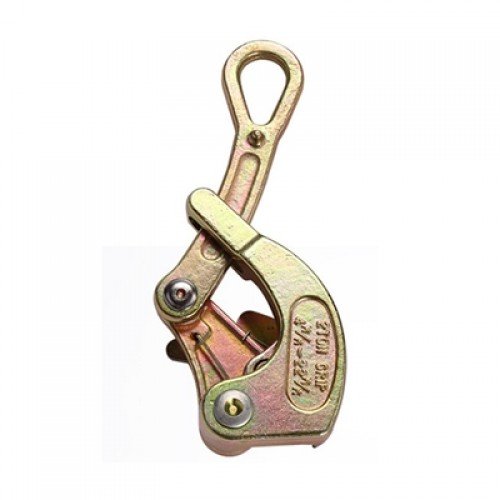
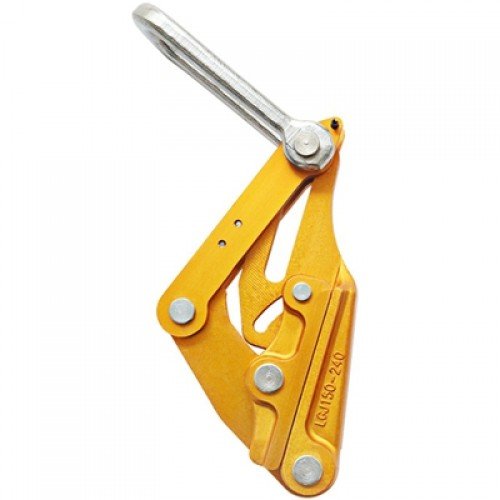
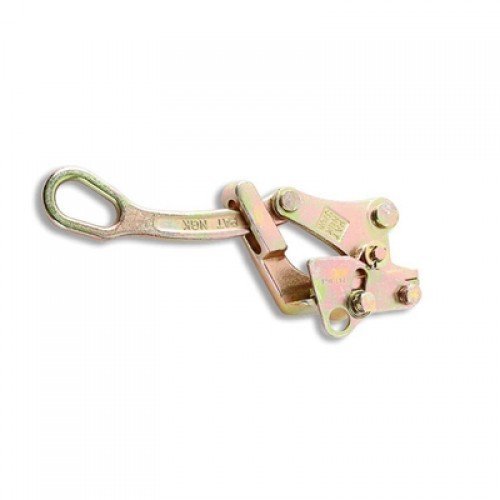
These are not always in the spotlight, but on real job sites?
They are essential.
What They Do
- Hold cables in position
- Assist in cable pulling
- Improve installation safety
Typical Applications
- Overhead line installation
- Power grid maintenance
- Cable laying projects
From My Experience
Contractors who use proper cable clamp tools and wire grippers:
- Work faster
- Reduce accidents
- Protect cables
A Story You Might Relate To
One of our clients started with just:
- Cable crimping tools
After some time, they realized their customers were asking for:
- Cable cutters
- Wire strippers
- Clamp tools
Now?
They supply complete cable tool kits for electrical contractors.
Their business doubled.
Common Mistakes (I’ve Seen Them All)
Let me save you from some trouble:
❌ Only focusing on crimping tools
❌ Ignoring cable cutters quality
❌ Buying from multiple unstable suppliers
❌ Not understanding end-user needs
❌ Choosing price over reliability
FAQ (Real Questions I Get)
1. What is the most important cable tool?
👉 Cable crimping tools
2. Should I prioritize battery or hydraulic tools?
👉 Battery for efficiency
👉 Hydraulic for price-sensitive markets
3. Can one tool cover all cable sizes?
👉 No—always check range (e.g., 10–300mm²)
4. Do contractors prefer tool kits?
👉 Yes, more and more
My Final Advice (If You Ask Me Honestly)
If we were sitting face to face, I’d tell you this:
- Don’t just buy tools
- Build a solution
- Think about your customer’s job site
- Choose reliable suppliers
Because at the end of the day:
👉 Your customer doesn’t care about the tool brand
👉 They care about whether it works
Let’s Talk Like Real Partners
If you’re sourcing:
- Cable crimping tools
- Cable cutters
- Wire strippers
- Cable clamp tools & wire grippers
Then my advice is simple:
👉 Tell me your market
👉 Tell me your customer type
👉 Tell me your price range
And I’ll share what I’ve seen work best.
Because after all these years, I’ve learned one thing:
👉 The right tools don’t just complete the job
👉 They help you win the next one