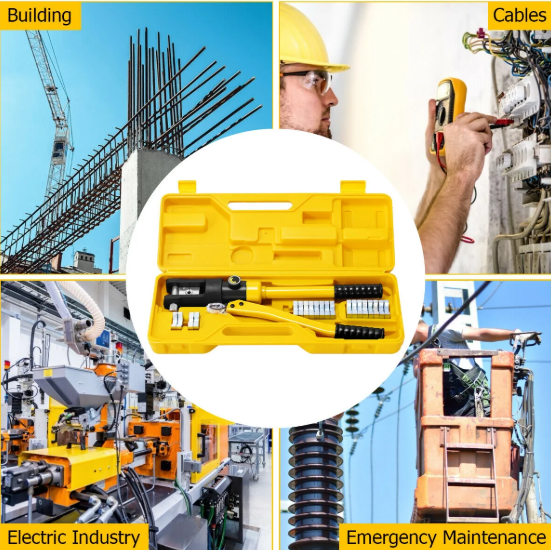
When I first started working in this industry—more than 10 years ago—I still remember standing on a job site watching an electrician struggle with a manual hydraulic crimper in winter. Thick gloves, stiff cables, and a tool that required multiple pumps just to finish one lug. It worked… but it wasn’t efficient.
Fast forward to today, and I’ve seen the transition: contractors moving from manual hydraulic crimping tools to battery crimping tools. But here’s the truth—there is no “one-size-fits-all” answer.
I’ve worked with hundreds of distributors, contractors, and importers over the years. Some swear by battery tools. Others still rely heavily on hydraulic systems. So in this article, I want to walk you through this like I would if we were sitting across the table, looking at your business together.
What Are Battery Crimping Tools?
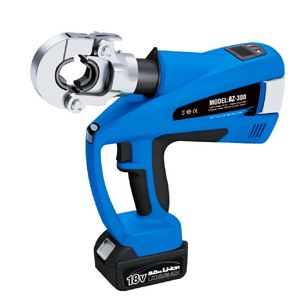
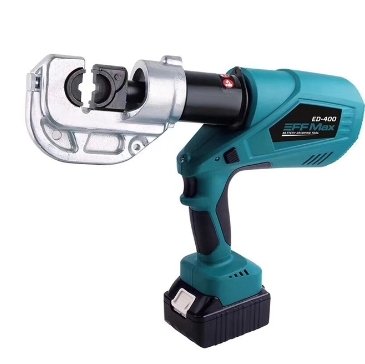
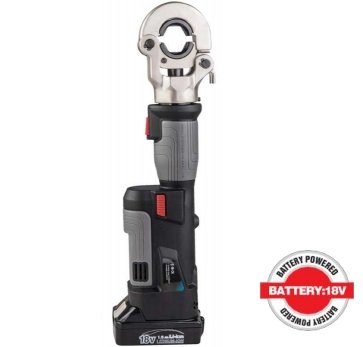
Battery crimping tools are electrically powered tools designed to crimp cable lugs quickly and consistently. You press a trigger, and the tool completes the crimp automatically.
From my experience, these tools are especially popular among:
- Electrical contractors
- Solar installers (PV systems)
- Maintenance teams
- Utility companies
In our own product line, we’ve seen strong demand for battery cable crimping tools for copper and aluminum lugs, especially in the 16–400mm² range.
What I like about battery tools:
- One-button operation
- Consistent crimping force
- Much faster than manual tools
- Less operator fatigue
What Are Hydraulic Crimping Tools?
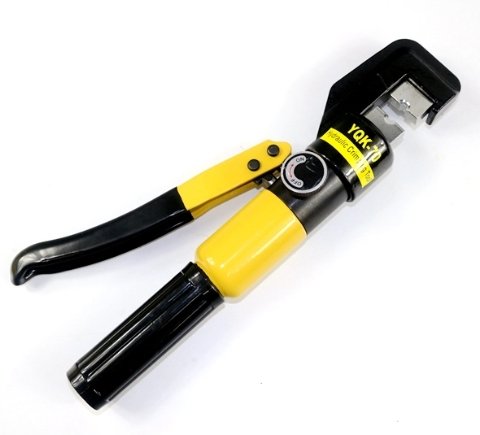
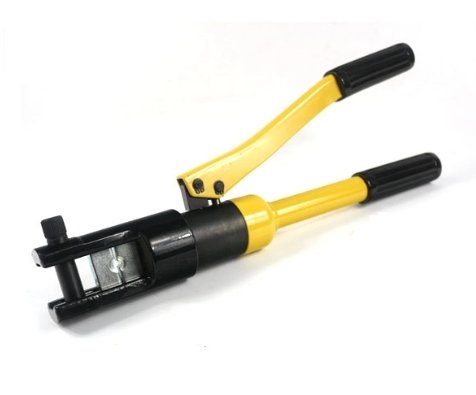
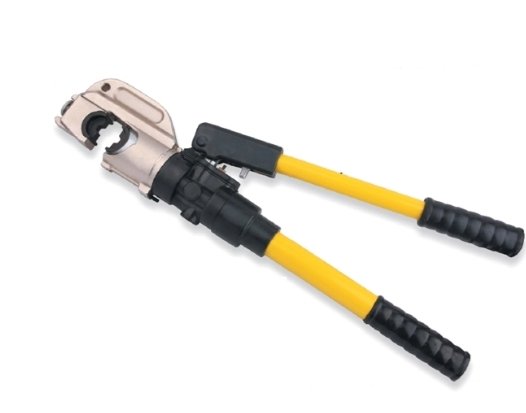
Hydraulic crimping tools rely on manual pumping or external hydraulic systems to generate pressure.
This includes:
- Manual hydraulic crimpers
- Split-type hydraulic crimping heads (with pumps)
I’ve sold these tools for years, especially to:
- Importers in developing markets
- Industrial maintenance companies
- Workshops that don’t need high frequency usage
What makes hydraulic tools still relevant:
- Lower upfront cost
- Extremely durable
- No battery dependency
- Reliable in harsh environments
Side-by-Side Comparison
Let’s break it down in a way I usually explain to my clients:
| Feature | Battery Crimping Tools | Hydraulic Crimping Tools |
|---|---|---|
| Power Source | Rechargeable battery | Manual / hydraulic pump |
| Speed | Fast (seconds per crimp) | Slower (multiple pumps) |
| Labor Effort | Very low | Medium to high |
| Precision | Consistent automatic pressure | Depends on operator |
| Cost | Higher upfront | Lower upfront |
| Maintenance | Battery replacement | Minimal |
| Best Use | High-frequency jobs | Occasional use |
| Portability | High | Medium |
My Honest Take (From Real Projects)
Let me tell you something I’ve seen again and again.
Scenario 1: High-volume contractors
One of our customers in Eastern Europe installs power cables for infrastructure projects. They switched from manual hydraulic tools to battery crimping tools.
Their feedback?
“We reduced installation time by 40%. Workers are less tired, and we finish projects faster.”
That’s real ROI.
Scenario 2: Importers and distributors
Another client in South America focuses on wholesale.
They told me:
“Hydraulic tools still sell better because the price is easier for our market.”
This is also true.
When Should You Choose Battery Crimping Tools?
If you ask me directly, I’d say battery tools are better when:
- You are doing frequent crimping jobs
- You have professional electricians or crews
- You care about efficiency and consistency
- You want to reduce labor cost
Typical applications:
- Power grid installation
- Solar (PV) systems
- Industrial electrical projects
And this is where we see strong demand for:
- Battery crimping tools for copper cable lugs
- Cordless crimping tools for aluminum cables
- Electric crimping tools for contractors
When Should You Choose Hydraulic Crimping Tools?
Now let’s be realistic—battery tools are not always the best choice.
Hydraulic tools are better when:
- Budget is limited
- Usage is not frequent
- Market is price-sensitive
- You need a backup tool
Typical buyers include:
- Importers
- Hardware distributors
- Small contractors
Popular product types:
- Manual hydraulic cable crimpers
- Hydraulic crimping tools for 10–300mm² cables
- Split hydraulic crimping heads with pumps
What Most Buyers Overlook (Important)
This is something I always tell my clients.
The tool is only half the story. The dies and compatibility matter just as much.
Make sure:
- The crimping tool supports your cable size range
- Dies match your lug standard (DIN, AWG, etc.)
- The tool provides enough tonnage
I’ve seen cases where buyers choose a cheaper tool, but it cannot deliver proper crimping force. That leads to loose connections, which is dangerous.
Combining Both: The Smart Strategy
If I were running your business, I wouldn’t choose just one.
Many of our clients do this:
- Use battery crimping tools for daily work
- Keep hydraulic tools as backup or for specific jobs
This combination works extremely well.
FAQ (Based on Real Customer Questions)
1. Are battery crimping tools strong enough?
Yes. Modern battery tools can deliver 6T–12T force, enough for most cable applications.
2. What happens if the battery runs out on site?
That’s why I always recommend:
- Extra battery
- Or keep a hydraulic tool as backup
3. Which is more cost-effective?
- Short term → Hydraulic
- Long term → Battery
4. Do battery tools require maintenance?Not much. Just:
- Keep batteries charged
- Replace after lifespan
5. Can one tool cover all cable sizes?
No. Always check:
- Crimping range
- Die sets
My Final Advice:
For contractors and project work → go battery
- For distribution and resale markets → keep hydraulic
- For serious B2B buyers → offer both
From what I’ve seen in the market, buyers are becoming more professional. They care about:
- Efficiency
- Reliability
- Long-term value
And that’s exactly where your product positioning should be.
If you’re sourcing cable crimping tools, battery crimpers, or hydraulic crimping tools, I’d suggest thinking about your market first—not just the price.
We’ve been supplying:
- Battery crimping tools
- Hydraulic crimping tools
- Cable cutters & wire strippers
to different markets, and I’d be happy to share what works best for your region.
Because at the end of the day, this isn’t just about tools.
It’s about helping you sell better, work faster, and win more projects.