
If you have ever worked with large electrical cables, you already know one truth:
a poor crimp will eventually become a future failure point.
I learned this lesson more than 10 years ago on a project installing low-voltage distribution cabinets. One of the junior technicians used the wrong die when crimping a 240 mm² cable lug. The connection looked fine at first glance, but three months later the terminal overheated and burned.
Since then, whenever someone asks me “How do you use a hydraulic crimping tool correctly?”, I always answer the same way:
A hydraulic crimping tool is not complicated, but doing it correctly requires discipline.
In this guide, I’ll walk you through exactly how I use a hydraulic crimping tool, the same method I teach technicians, distributors, and installers who buy tools from us.
1. What Is a Hydraulic Crimping Tool?
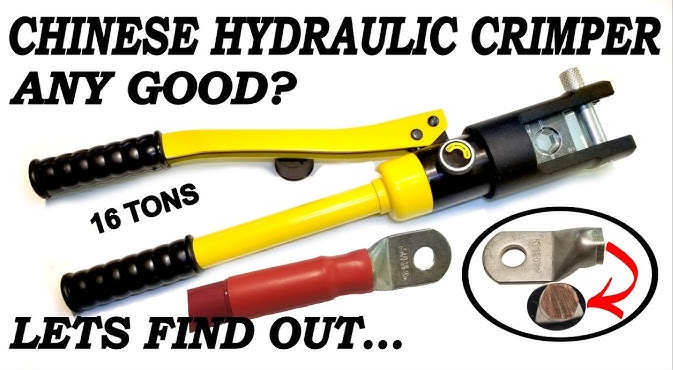
A hydraulic crimping tool is designed to compress cable lugs or connectors onto electrical cables using hydraulic pressure.
Compared with manual crimpers, hydraulic tools deliver:
- Much higher crimping force
- Consistent compression
- Less physical effort
- Better electrical conductivity
They are widely used for:
| Application | Typical Cable Size |
|---|---|
| Power distribution panels | 16–300 mm² |
| Solar installations | 10–120 mm² |
| Industrial control cabinets | 6–150 mm² |
| Battery cable assemblies | 25–240 mm² |
In our product line, hydraulic crimping tools are commonly used together with:
- Cable Crimping Tools
- Cable Cutters
- Wire Strippers
When installers combine the right cutter + stripper + crimper, the workflow becomes much faster and cleaner.
2. Types of Hydraulic Crimping Tools
Before talking about usage, I want to clarify that not all hydraulic crimping tools are the same.
In the market, you will typically see three main types.
| Type | Description | Typical Users |
|---|---|---|
| Manual Hydraulic Crimping Tool | Hand-pumped hydraulic pressure | Field electricians |
| Battery Powered Hydraulic Tool | Electric pump system | Professional contractors |
| Split Hydraulic Crimp Head | Requires external pump | Industrial projects |
In our experience supplying tools to overseas distributors, manual hydraulic crimping tools are still the most popular because they are:
- Affordable
- Durable
- Easy to maintain
- Ideal for field work
That is why most cable installation teams still keep at least one in their toolbox.
3. Parts of a Hydraulic Crimping Tool
Before you start crimping, it’s important to understand the basic structure.
A typical hydraulic crimping tool consists of:
| Part | Function |
|---|---|
| Pump Handle | Generates hydraulic pressure |
| Hydraulic Cylinder | Transfers pressure to the dies |
| Crimping Dies | Shape the connector |
| Release Valve | Releases hydraulic pressure |
| Crimping Head | Holds the dies |
When I train new technicians, I always tell them:
The dies are the heart of the tool. Choosing the wrong die means the crimp will fail.
4. Step-by-Step: How to Use a Hydraulic Crimping Tool
Let me show you the exact workflow we follow in the field.
Step 1 – Select the Correct Cable Lug
First, match the lug size with the cable size.
Example:
| Cable Size | Lug Size |
|---|---|
| 16 mm² | 16 mm² lug |
| 35 mm² | 35 mm² lug |
| 95 mm² | 95 mm² lug |
If the lug is too large, the crimp will be loose.
If it’s too small, the cable will not fit properly.
Step 2 – Cut the Cable Cleanly
Always use a professional cable cutter.
A clean cut ensures:
- Better conductor alignment
- Easier stripping
- Better crimp quality
A rough cut will cause uneven compression later.
Step 3 – Strip the Cable Insulation
Use a wire stripper to remove insulation.
Tips from my experience:
- Do not damage copper strands
- Strip only the required length
- Keep strands tightly bundled
If the strands spread out, insert them carefully into the lug.
Step 4 – Insert Cable into the Lug
Push the conductor fully into the lug barrel.
I always double-check two things:
- No copper strands outside the lug
- Cable fully reaches the end of the lug
A partially inserted cable is one of the most common mistakes.
Step 5 – Choose the Correct Crimping Die
Select the die that matches the lug size.
Example:
| Lug Size | Die Size |
|---|---|
| 16 mm² | 16 die |
| 35 mm² | 35 die |
| 120 mm² | 120 die |
Most hydraulic crimping tools include interchangeable dies from 16–300 mm².
Step 6 – Position the Lug in the Crimping Head
Open the crimping head and place the lug inside.
Make sure:
- Lug is centered
- Die fully contacts the barrel
- Cable stays straight
Step 7 – Pump the Handle
Now start pumping the hydraulic handle.
You will feel the resistance increase as pressure builds.
Keep pumping until:
- The dies fully compress the lug
- The tool reaches its pressure limit
Many modern tools include an automatic pressure release system.
Step 8 – Release the Pressure
Turn the release valve to retract the piston.
Remove the crimped connector.
At this point, inspect the crimp.
5. How to Check Crimping Quality
A good crimp should meet these criteria.
| Inspection Point | What to Check |
|---|---|
| Compression shape | Even deformation |
| Cable position | Fully inserted |
| Surface | No cracks |
| Pull strength | Cable cannot move |
In many professional installations, technicians also perform a pull test.
If the cable slips out, the crimp must be redone.
6. Common Mistakes I See in the Field
After working with distributors and installers for decades, I see the same mistakes again and again.
Here are the biggest ones.
1. Using the Wrong Die
This is the #1 problem.
It causes:
- Loose connections
- Overheating
- Electrical failure
2. Incomplete Crimping
Some installers stop pumping too early.
Hydraulic tools must reach full compression.
3. Damaged Cable Strands
Cut strands reduce conductivity and strength.
4. Poor Tool Maintenance
Hydraulic tools require occasional maintenance:
- Check hydraulic oil
- Clean dies
- Store in protective case
7. My Personal Advice After 10 Years
If I could give just three pieces of advice about using hydraulic crimping tools, they would be these:
1. Always Match Cable, Lug, and Die
The three must match perfectly.
2. Invest in Quality Tools
Cheap tools often have:
- Poor die accuracy
- Weak hydraulic pressure
- Short lifespan
Professional installers prefer reliable hydraulic crimping tools because they reduce failures.
3. Train Your Team
Even the best tool cannot fix poor technique.
I always recommend distributors train their customers on proper crimping procedures.
8. FAQ (Frequently Asked Questions)
Q1: What cable size can a hydraulic crimping tool handle?
Most manual hydraulic crimpers handle 16 mm² to 300 mm² cables.
Heavy industrial models can reach 400 mm² or more.
Q2: How much pressure does a hydraulic crimping tool generate?
Typical crimping force:
| Tool Type | Crimping Force |
|---|---|
| Manual hydraulic | 8–12 tons |
| Battery hydraulic | 12–15 tons |
| Industrial hydraulic | 15–30 tons |
Q3: Can I use one crimping tool for all connectors?
Not always.
Different connectors may require:
- Hex crimp
- Indent crimp
- Compression crimp
Always check connector specifications.
Q4: How long does a hydraulic crimping tool last?
A good tool can last 5–10 years with proper maintenance.
We still see tools in the field that have been used for more than a decade.
After working in the electrical and cable installation industry for over 10 years, I still believe that crimping is both a science and a craft.
A hydraulic crimping tool makes the job easier, but what really guarantees a reliable connection is:
- choosing the right tool
- using the correct dies
- following proper procedures
If you do those three things, your cable connections will be safe, durable, and electrically efficient.
And if you are working in cable installation, panel building, solar projects, or power distribution, mastering this tool will make your work much faster and more professional.