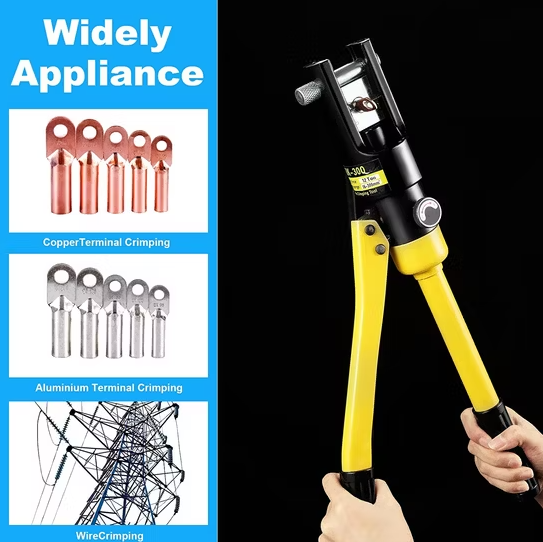
I still remember one of my early export projects—this was maybe 5 years ago. A contractor from the Middle East ordered a batch of cable crimping tools from another supplier before coming to us. On paper, everything looked good: competitive price, decent specs, fast delivery.
But when the tools reached the job site?
Half of them couldn’t deliver stable crimping force. The lugs were loose. Rework started. Delays followed. Costs doubled.
When he came to us later, he didn’t ask for the cheapest price anymore. He asked:
“Can you give me tools that just work… every time?”
That question stayed with me. And honestly, if you’re reading this, you’re probably asking the same thing—just in a different way.
So let’s talk about wholesale cable crimping tools for power cable installation projects—not from a catalog perspective, but from real-world experience.
What Are Cable Crimping Tools Really Doing on Site?
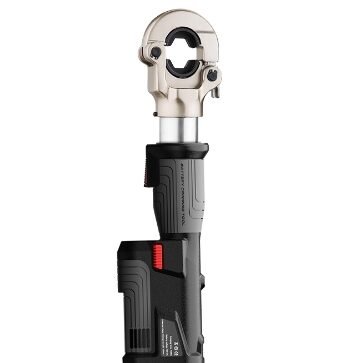
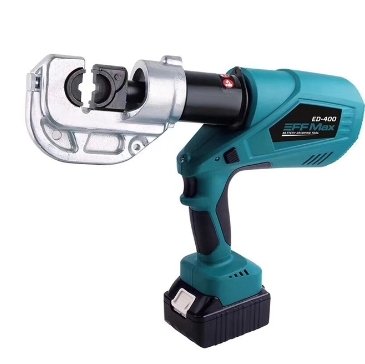
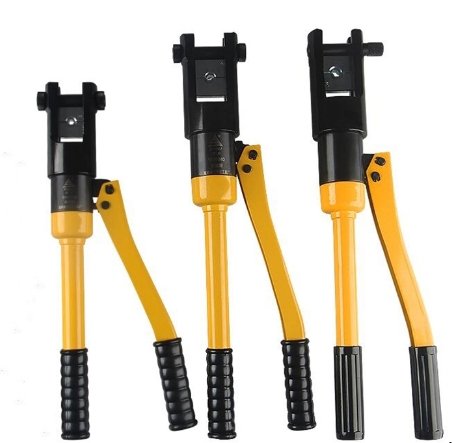
At the end of the day, these tools are not just “products.”
They are responsible for one thing:
👉 Making electrical connections safe and reliable
In power cable installation projects—whether it’s:
- Power grid infrastructure
- Industrial electrical systems
- Solar (PV) installations
- Building wiring
—your cable crimping tools are the last step before electricity flows.
If the crimp fails, everything fails.
Why Wholesale Matters More Than You Think
If you’re a:
- Distributor
- Importer
- EPC contractor
- Project supplier
Then you’re not buying one tool—you’re building a system.
Wholesale is not just about price. It’s about:
- Consistency across batches
- Stable supply
- Matching product lines
- Long-term cooperation
Over the years, I’ve seen successful clients do one thing differently:
👉 They don’t just buy tools—they build a tool strategy
What Should Be Included in a Cable Tools Product Line?
When we work with wholesale buyers, we never recommend just one product.
You need a complete cable tools solution.
Here’s how I usually break it down:
| Category | Products | Why It Matters |
|---|---|---|
| Crimping Tools | Battery crimping tools / Hydraulic crimping tools | Core connection |
| Cutting Tools | Cable cutters | Clean cutting |
| Stripping Tools | Wire strippers | Proper insulation removal |
| Support Tools | Cable clamp tools & wire grippers | Installation support |
This combination is what most contractors actually need on-site.
Battery vs Hydraulic Crimping Tools
Battery Crimping Tools
Best for:
- High-frequency projects
- Professional contractors
- Time-sensitive installations
What I hear from users:
“Once we switch to battery tools, we don’t want to go back.”
Hydraulic Crimping Tools
Best for:
- Budget-sensitive markets
- Backup tools
- Low-frequency use
Still very popular in:
- South America
- Africa
- Some parts of Asia
My Advice?
If you’re doing wholesale:
👉 Offer both
Because your customers are not all the same.
What Wholesale Buyers Usually Care About
1. “Can I reorder without problems?”
That’s supply stability.
2. “Can I build my brand?”
That’s OEM capability.
3. “Can I make profit?”
That’s pricing structure.
What Makes a Reliable Cable Crimping Tool Supplier?
✅ 1. Stable Product Performance
Especially for:
- Battery crimping tools
- Hydraulic crimping tools
Crimping force must be consistent.
✅ 2. Full Range Capability
You want a supplier who can offer:
- Cable crimping tools
- Cable cutters
- Wire strippers
- Cable clamp tools
Not just one product.
✅ 3. OEM Support
This is critical in wholesale.
You need:
- Logo printing
- Custom packaging
- Manual design
Common Mistakes in Wholesale Cable Tools
Let me save you some trouble here.
❌ Choosing based on price only
❌ Ignoring compatibility (dies, cable sizes)
❌ Not testing samples
❌ Buying from multiple unstable suppliers
❌ Not planning product line
I’ve seen all of these—and none of them end well.
FAQ (Real Questions I Get All the Time)
1. What cable size should a crimping tool cover?
Most common range:
👉 10–300mm²
👉 Some projects go up to 400mm²
2. Should I start with battery or hydraulic tools?
If your market allows:
👉 Start with battery
👉 Add hydraulic for price segment
3. How many models should I stock?
I usually recommend:
- 2–3 crimping tools
- 1–2 cable cutters
- 1 wire stripper
4. Do contractors prefer kits or single tools?
More and more prefer:
👉 complete tool kits
My Personal Advice (If We Were Sitting Together)
If you’re serious about wholesale in this industry, here’s what I’d tell you:
- Don’t think short term
- Build a product system
- Choose a reliable supplier
- Focus on your end users
Because your customers—the contractors—don’t care where the tool comes from.
They care whether it works.
Let’s Talk Like Real Partners
If you’re sourcing:
- Cable crimping tools
- Battery crimping tools
- Hydraulic crimping tools
- Cable cutters & wire strippers
Then my suggestion is simple:
👉 Let’s talk about your market first.
Tell me:
- Who your customers are
- What price range you target
- What projects you serve
I’ll share what I’ve seen work—and what doesn’t.
Because I’ve been in this industry long enough to know:
👉 The right tools don’t just help you sell.
👉 They help you grow.